
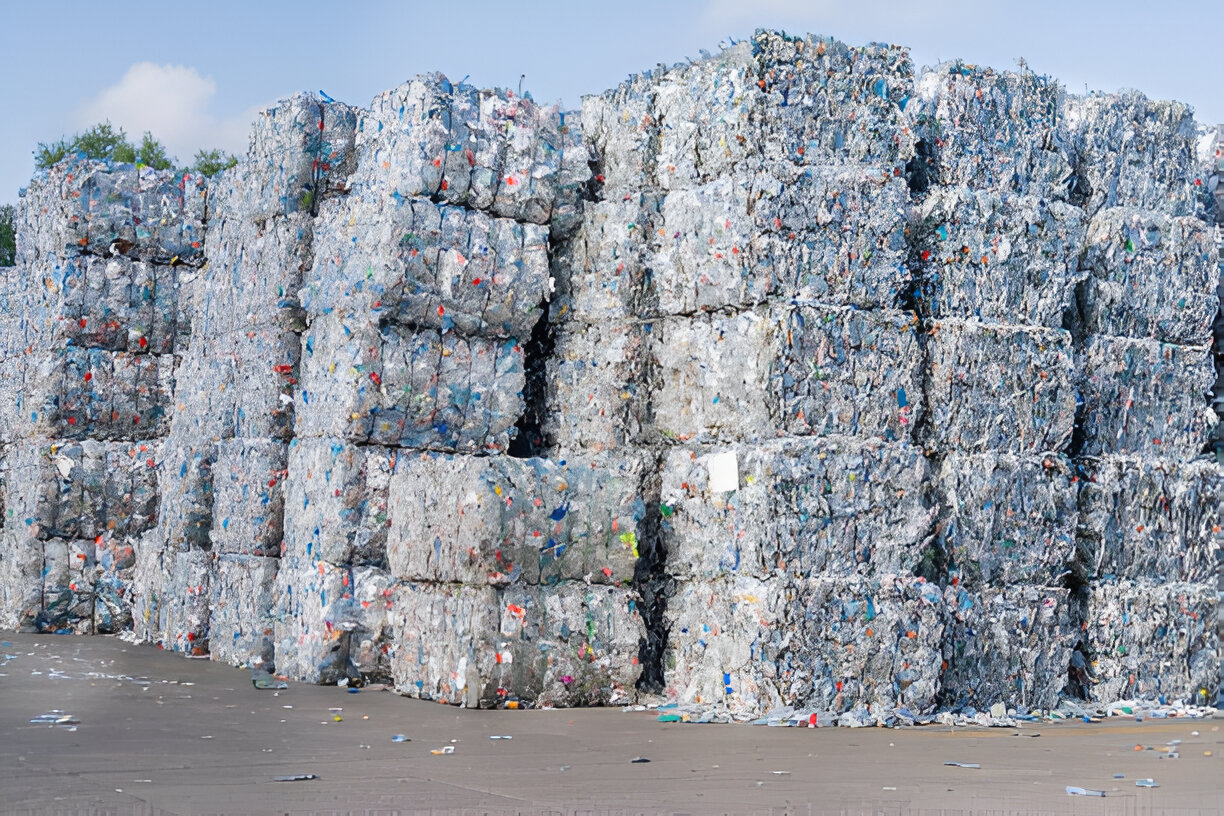
Waste plastic trading is becoming increasingly significant in modern industry as it addresses critical environmental issues while offering economic opportunities. As global awareness of plastic pollution and the need for sustainable practices grows, waste plastic trading plays a pivotal role in recycling and repurposing plastic materials, thereby contributing to a circular economy.
One of the primary benefits of waste plastic trading is environmental protection. Plastics are non-biodegradable and can persist in the environment for hundreds of years, leading to pollution in oceans, rivers, and landscapes. By trading waste plastics, industries can divert these materials from landfills and natural habitats, reducing the environmental impact. This practice helps mitigate the harmful effects of plastic pollution, such as the destruction of marine ecosystems and the contamination of soil and water resources.
Economic benefits are another crucial aspect of waste plastic trading. The process of collecting, sorting, and recycling waste plastics creates jobs and stimulates economic activity. Recycling facilities, waste management companies, and trading platforms all benefit from the demand for recycled plastics. Additionally, industries that use recycled plastics in their manufacturing processes can reduce material costs and reliance on virgin plastics, which are often more expensive and resource-intensive to produce.
Waste plastic trading also supports the principles of the circular economy. In a traditional linear economy, products are manufactured, used, and then disposed of as waste. In contrast, a circular economy aims to keep materials in use for as long as possible through recycling and reuse. Waste plastic trading enables the transformation of used plastics into valuable raw materials that can be reintroduced into the manufacturing cycle. This reduces the need for new plastic production, conserves natural resources, and minimizes waste generation.
Moreover, waste plastic trading promotes innovation in material science and product design. As industries seek to incorporate recycled plastics into their products, there is a growing demand for high-quality, durable, and versatile recycled materials. This demand drives research and development efforts to improve recycling technologies and create new applications for recycled plastics. Innovations in this field can lead to the development of more sustainable products and packaging solutions, further reducing the environmental footprint of plastic use.
Compliance with regulatory requirements is another important aspect of waste plastic trading. Many countries and regions have implemented strict regulations and targets for plastic recycling and waste management. Engaging in waste plastic trading helps industries meet these regulatory obligations, avoid penalties, and enhance their corporate social responsibility profiles. Companies that actively participate in recycling initiatives and promote sustainable practices can also benefit from improved brand reputation and customer loyalty.
In summary, waste plastic trading is a vital component of modern industry that offers significant environmental, economic, and regulatory benefits. By diverting plastics from landfills, reducing pollution, creating economic opportunities, supporting the circular economy, and promoting innovation, waste plastic trading helps build a more sustainable and resilient industrial ecosystem. Embracing waste plastic trading is not only a responsible choice but also a strategic one that can drive long-term success and sustainability in the industrial sector.