
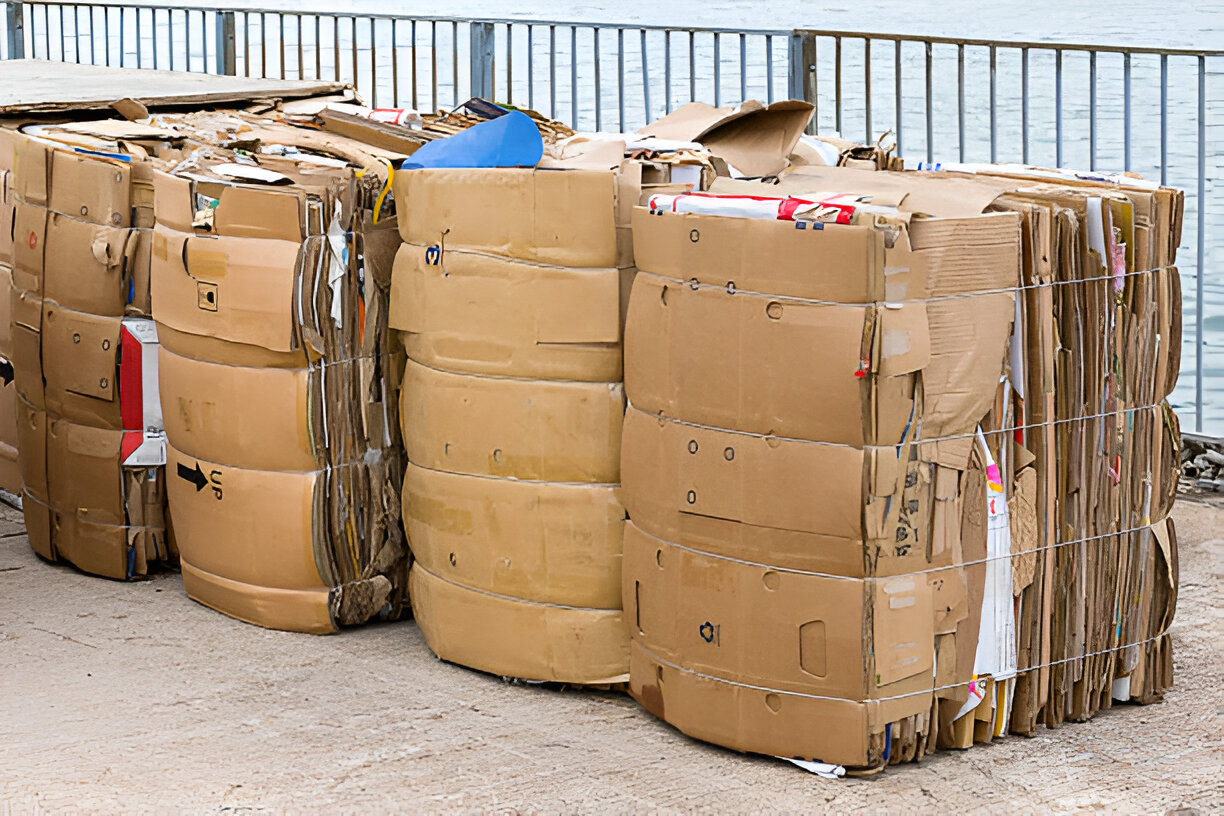
Waste paper trading plays a crucial role in promoting sustainability and efficiency within modern industry. As environmental concerns grow and the push for sustainable practices intensifies, waste paper trading has emerged as a vital component in the recycling ecosystem, offering significant economic and ecological benefits.
One of the primary advantages of waste paper trading is its positive impact on the environment. Paper waste constitutes a large portion of municipal solid waste, and when not properly managed, it can lead to deforestation, increased greenhouse gas emissions, and overflowing landfills. By trading and recycling waste paper, industries can significantly reduce their environmental footprint. This practice helps conserve natural resources, reduce energy consumption, and decrease the overall volume of waste sent to landfills.
Economic benefits are also a major driving force behind waste paper trading. The process creates jobs and generates income at various stages, from collection and sorting to processing and manufacturing. Recycling facilities and waste management companies thrive on the demand for recycled paper, which in turn supports local economies. Additionally, industries that incorporate recycled paper into their production processes can lower their raw material costs, enhancing their overall profitability.
Waste paper trading also supports the principles of a circular economy. In a linear economy, products are made, used, and then discarded, leading to a continual depletion of resources. Conversely, a circular economy seeks to keep materials in use for as long as possible through recycling and reuse. Waste paper trading enables the transformation of used paper into valuable raw materials that can be reintegrated into the production cycle. This approach reduces the need for virgin pulp, conserves trees, and minimizes the environmental impact associated with paper production.
The recycling of waste paper also promotes innovation and technological advancement in the paper and packaging industries. As the demand for high-quality recycled paper grows, companies are investing in research and development to improve recycling technologies and processes. Innovations in this field lead to the production of recycled paper that meets or even exceeds the quality standards of virgin paper, expanding its applications and enhancing its market value.
Compliance with environmental regulations is another important aspect of waste paper trading. Many governments and regulatory bodies have established stringent guidelines and targets for recycling and waste management. Engaging in waste paper trading helps industries comply with these regulations, avoid penalties, and enhance their corporate social responsibility profiles. Companies that actively participate in recycling initiatives and promote sustainable practices can also benefit from improved brand reputation and increased customer loyalty.
Moreover, waste paper trading contributes to the reduction of greenhouse gas emissions. Recycling paper requires significantly less energy compared to producing paper from virgin pulp, leading to lower carbon emissions. By diverting paper waste from landfills, where it would decompose and produce methane (a potent greenhouse gas), waste paper trading further mitigates the impact of climate change.
In summary, waste paper trading is a vital practice in modern industry that offers numerous environmental, economic, and regulatory benefits. By conserving resources, reducing waste, creating economic opportunities, supporting the circular economy, and promoting innovation, waste paper trading helps build a more sustainable and efficient industrial ecosystem. Embracing waste paper trading is not only an environmentally responsible choice but also a strategic decision that can drive long-term success and sustainability for industries worldwide.