
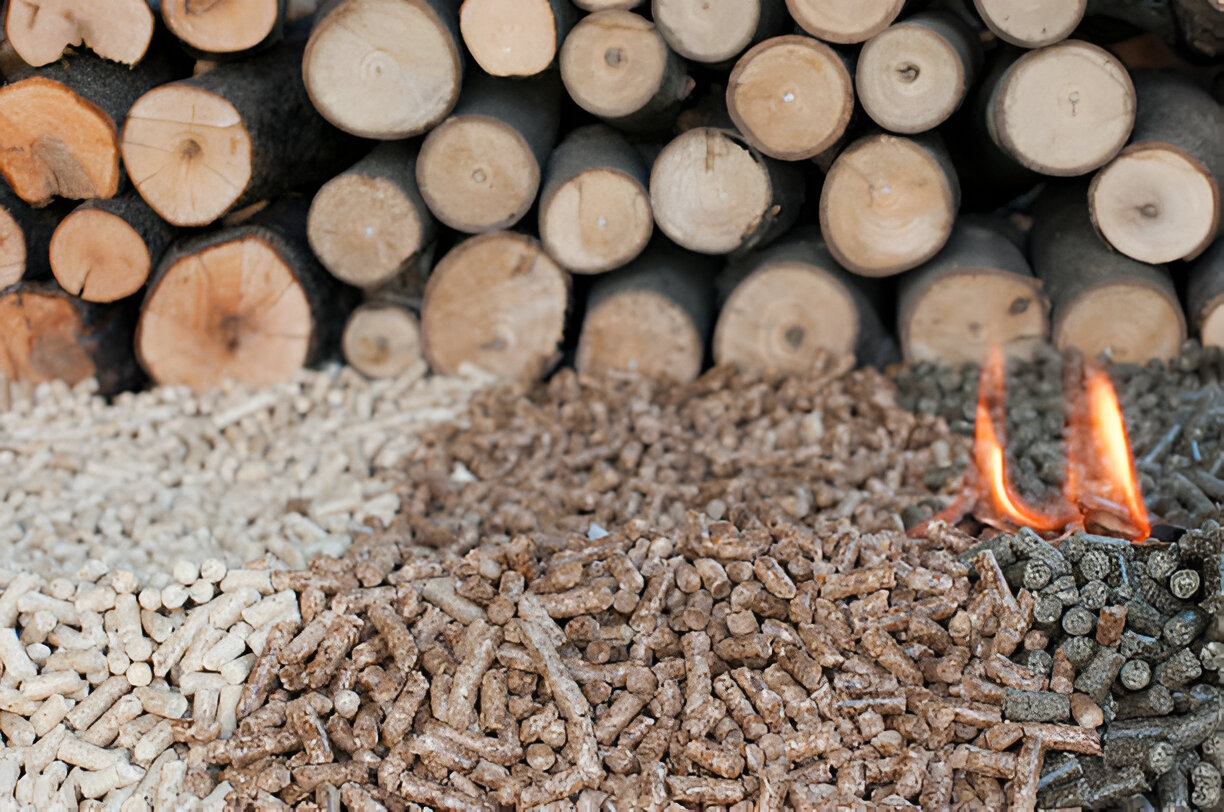
Charcoal and firewood have been fundamental to human civilization for centuries, serving as essential sources of energy for both daily life and industrial processes. Despite advancements in technology and the advent of modern fuels, these traditional energy sources continue to hold significant importance.
In daily life, firewood remains a primary fuel source for many households, especially in rural and developing regions. It is used for cooking, heating, and providing warmth during colder months. The availability of firewood is crucial for energy security in these areas, where access to electricity or modern fuels may be limited or unaffordable. Additionally, the use of firewood for cooking imparts a unique flavor to food, which is cherished in various culinary traditions around the world.
Charcoal, derived from burning wood in a low-oxygen environment, is another vital fuel in everyday life. It is widely used for grilling and barbecuing, offering a high heat output and a smokeless burn that is ideal for outdoor cooking. Charcoal is also a key ingredient in many artisanal practices, such as blacksmithing and pottery, where its high temperatures are necessary for working with metals and ceramics.
In industry, charcoal and firewood play significant roles in various sectors. Charcoal is crucial in the metallurgical industry, particularly in the production of iron and steel. It acts as both a fuel and a reducing agent, helping to extract iron from its ores in a process known as smelting. The high carbon content and purity of charcoal make it an excellent choice for producing high-quality metals.
Firewood and charcoal are also used in the production of activated carbon, which has numerous applications, including water purification, air filtration, and medical uses. Activated carbon is essential for removing impurities and contaminants, making it a valuable resource in environmental protection and healthcare.
Moreover, the role of charcoal and firewood extends to the energy sector, where they are used in biomass power plants to generate electricity. This renewable energy source helps reduce reliance on fossil fuels and supports efforts to combat climate change by lowering greenhouse gas emissions.
In summary, charcoal and firewood are indispensable in both daily life and industry. They provide essential energy for cooking, heating, and industrial processes, and contribute to environmental sustainability. Despite modern advancements, these traditional fuels continue to be vital resources, underscoring their enduring importance in our lives.