
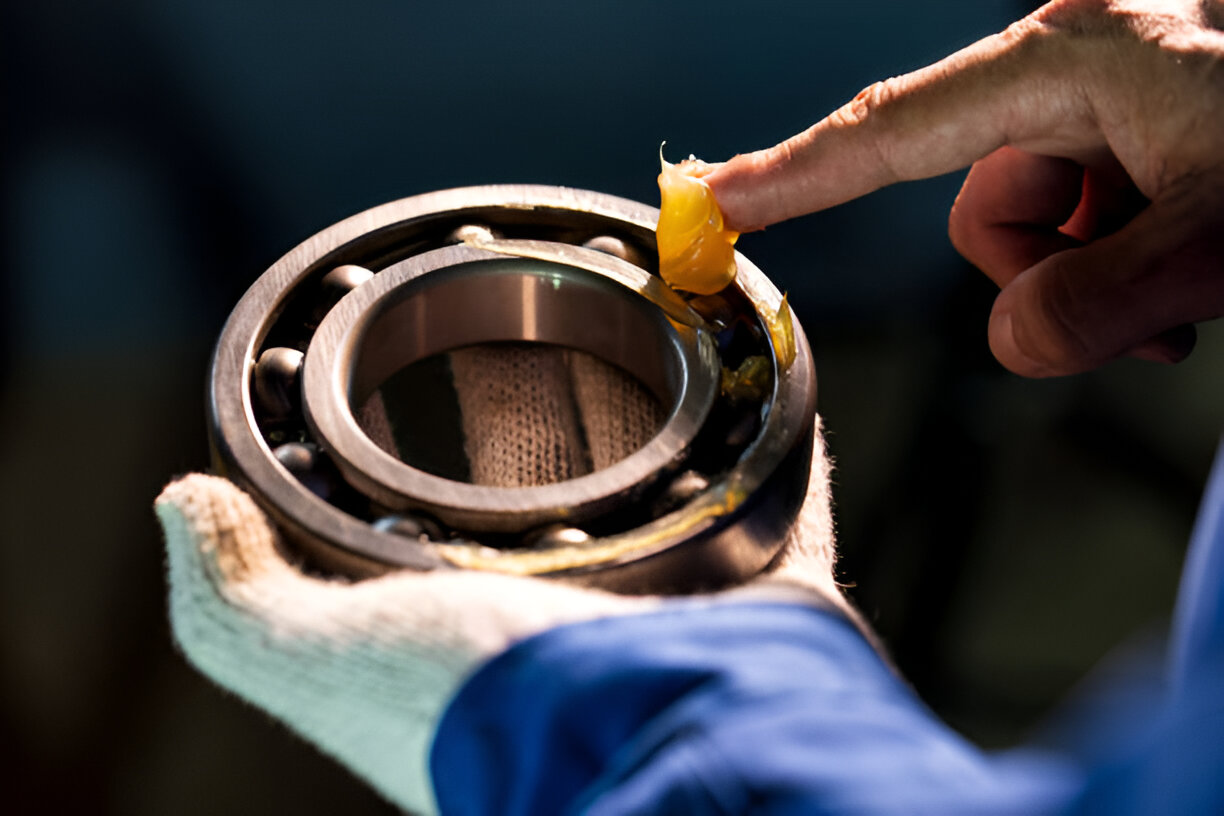
Greases play a pivotal role in the maintenance and efficient operation of machinery across various industries. These lubricants, composed of a base oil, thickener, and additives, are essential for reducing friction, preventing wear, and ensuring the longevity of equipment. The unique properties of greases make them indispensable in industrial applications where liquid oils may not be suitable.
One of the primary functions of greases is to provide long-lasting lubrication. Unlike liquid oils, greases stay in place, making them ideal for applications where continuous lubrication is needed over extended periods without frequent reapplication. This is particularly important in components that are difficult to access, such as bearings, gears, and joints. The ability of greases to adhere to surfaces ensures that they continue to provide effective lubrication under various operating conditions.
Greases are also crucial for reducing friction and wear. In industrial machinery, moving parts are often subjected to high loads and harsh conditions. Greases form a protective barrier that minimizes direct metal-to-metal contact, reducing friction and preventing wear and tear. This protective layer is essential for extending the lifespan of components, reducing maintenance costs, and preventing unexpected breakdowns that can disrupt operations.
Another significant advantage of greases is their ability to provide effective sealing and protection against contaminants. In industrial environments, machinery is exposed to dust, dirt, water, and other contaminants that can cause damage and reduce efficiency. Greases act as a barrier, preventing these contaminants from entering critical areas and causing abrasive wear or corrosion. This protective property is vital for maintaining the reliability and performance of machinery.
Temperature stability is another critical attribute of industrial greases. Many industrial applications involve extreme temperatures, either high or low. Greases are formulated to remain stable and effective across a wide range of temperatures, ensuring consistent lubrication even under challenging conditions. This temperature resilience is essential for maintaining the functionality and safety of machinery in industries such as manufacturing, mining, and transportation.
Moreover, greases can enhance the efficiency and performance of machinery. By reducing friction, greases help lower energy consumption and improve the overall efficiency of mechanical systems. This not only leads to cost savings but also supports sustainability efforts by reducing the environmental impact of industrial operations.
In summary, greases are indispensable in the industry. They provide long-lasting lubrication, reduce friction and wear, protect against contaminants, offer temperature stability, and enhance the efficiency of machinery. Investing in high-quality greases and implementing proper lubrication practices are essential for maintaining the reliability, productivity, and longevity of industrial equipment, ultimately contributing to operational excellence and cost savings.