
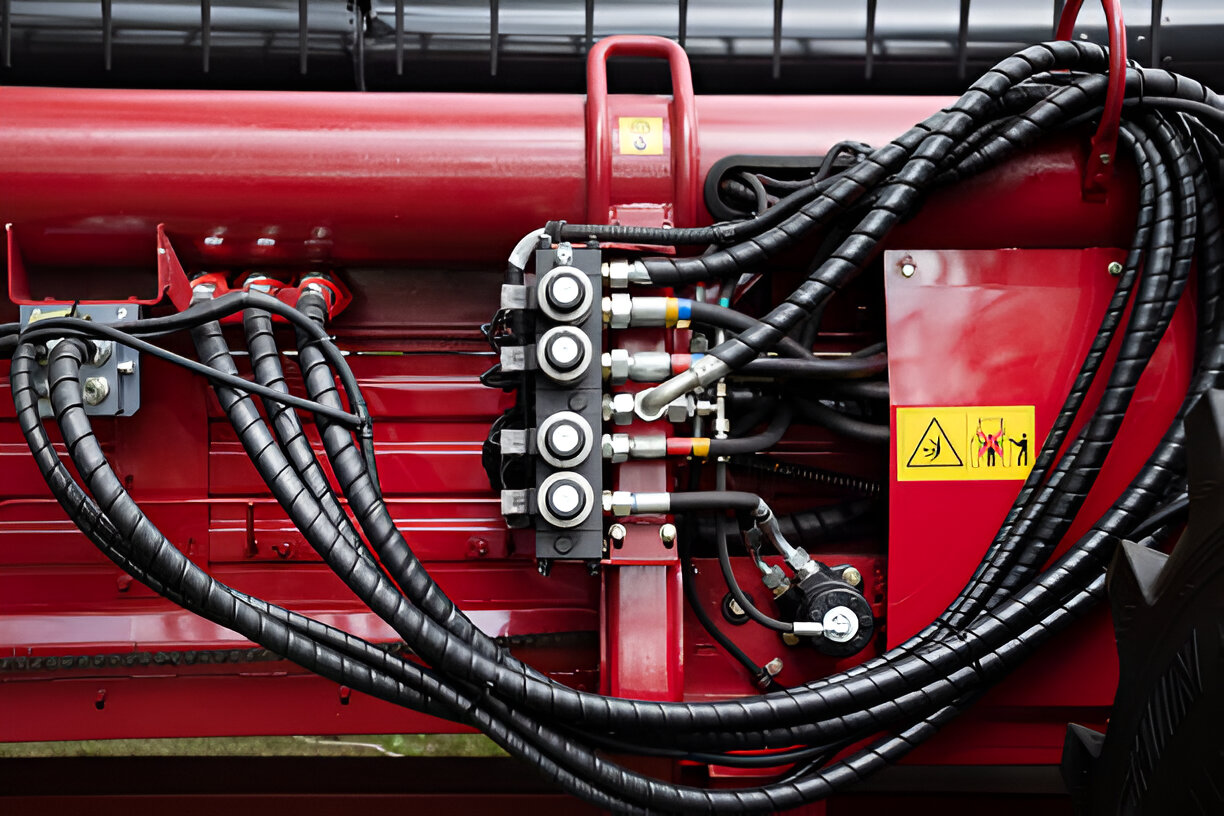
Hydraulic oils are the lifeblood of hydraulic systems, playing a crucial role in various industrial applications. These specialized fluids are essential for transmitting power, lubricating components, and maintaining the efficiency and longevity of hydraulic machinery. The importance of hydraulic oils in the industry cannot be overstated, as they directly impact the performance, reliability, and safety of hydraulic systems.
One of the primary functions of hydraulic oils is to transmit power. In hydraulic systems, such as those found in construction equipment, manufacturing machinery, and agricultural tools, hydraulic oils transfer force from one part of the system to another. This power transmission is achieved through the pressurization of the oil, which then moves pistons and actuators to perform work. The efficiency and responsiveness of hydraulic systems depend heavily on the quality and properties of the hydraulic oil used.
In addition to power transmission, hydraulic oils provide vital lubrication to moving parts within the system. Components such as pumps, valves, and cylinders are subject to continuous movement and high pressures. Hydraulic oils reduce friction and wear between these components, preventing metal-to-metal contact and extending the lifespan of the machinery. Proper lubrication is crucial for minimizing maintenance costs and avoiding unexpected breakdowns, ensuring uninterrupted operation in industrial environments.
Temperature control is another critical function of hydraulic oils. During operation, hydraulic systems generate heat, which can lead to overheating and reduced efficiency. Hydraulic oils help dissipate this heat, maintaining optimal operating temperatures and preventing thermal degradation of system components. Effective temperature control is essential for maintaining consistent performance and protecting the integrity of the hydraulic system.
Hydraulic oils also play a significant role in protecting against corrosion and contamination. Industrial environments often expose hydraulic systems to harsh conditions, including moisture, dirt, and other contaminants. Hydraulic oils contain additives that inhibit rust and corrosion, safeguarding metal surfaces and preventing the formation of harmful deposits. Additionally, hydraulic oils help trap and carry away contaminants, ensuring that the system remains clean and free of abrasive particles that could cause damage.
Moreover, hydraulic oils contribute to the overall efficiency and energy savings of hydraulic systems. High-quality hydraulic oils with appropriate viscosity and stability reduce energy losses due to friction and internal fluid resistance. This results in smoother operation, improved system responsiveness, and lower energy consumption, ultimately leading to cost savings and enhanced sustainability.
In summary, hydraulic oils are indispensable in the industry. They ensure efficient power transmission, provide essential lubrication, control temperatures, protect against corrosion and contamination, and enhance overall system efficiency. By using high-quality hydraulic oils and adhering to proper maintenance practices, industries can achieve reliable and optimal performance of their hydraulic systems, contributing to increased productivity and operational excellence.