
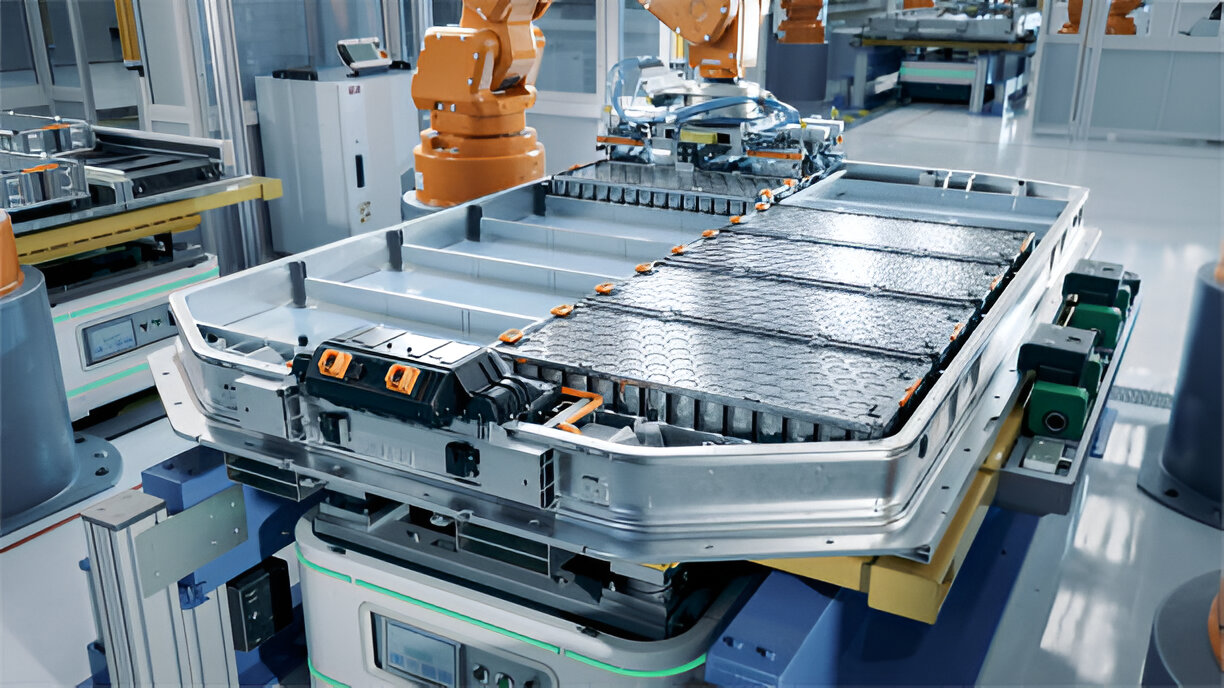
Industrial equipment is the backbone of modern manufacturing and production processes, playing a pivotal role in the efficiency, productivity, and innovation of various industries. These machines and tools, which include everything from heavy machinery and assembly lines to specialized production devices, are essential for transforming raw materials into finished products with precision and speed.
The primary importance of industrial equipment lies in its ability to enhance productivity. Advanced machinery can perform tasks faster and more accurately than manual labor, significantly increasing output and reducing production time. This efficiency not only boosts overall productivity but also lowers operational costs, allowing companies to achieve economies of scale and remain competitive in a global market.
Reliability and consistency are also critical aspects provided by industrial equipment. High-quality machinery ensures uniformity in production, maintaining consistent quality standards across all products. This is particularly vital in industries like automotive, electronics, and pharmaceuticals, where precision and quality control are paramount. Reliable equipment reduces the likelihood of defects and rework, thereby saving time and resources.
Moreover, industrial equipment contributes to workplace safety. Modern machines are designed with advanced safety features that protect workers from potential hazards. Automated systems can handle dangerous tasks, reducing the risk of injuries and ensuring a safer working environment. This not only safeguards the well-being of employees but also minimizes downtime caused by accidents.
Innovation is another area significantly impacted by industrial equipment. Cutting-edge technology and machinery enable industries to develop new products and improve existing ones. By investing in the latest equipment, companies can adopt advanced manufacturing techniques, such as additive manufacturing and robotics, driving innovation and maintaining a competitive edge.
Furthermore, industrial equipment plays a crucial role in sustainability efforts. Energy-efficient machines and environmentally friendly technologies help reduce the carbon footprint of manufacturing processes. This aligns with global sustainability goals and can also result in cost savings through reduced energy consumption and waste.
In summary, industrial equipment is indispensable to the industry, providing enhanced productivity, reliability, safety, innovation, and sustainability. Investing in and maintaining high-quality machinery is essential for any company aiming to achieve operational excellence and long-term success in today’s competitive landscape.