
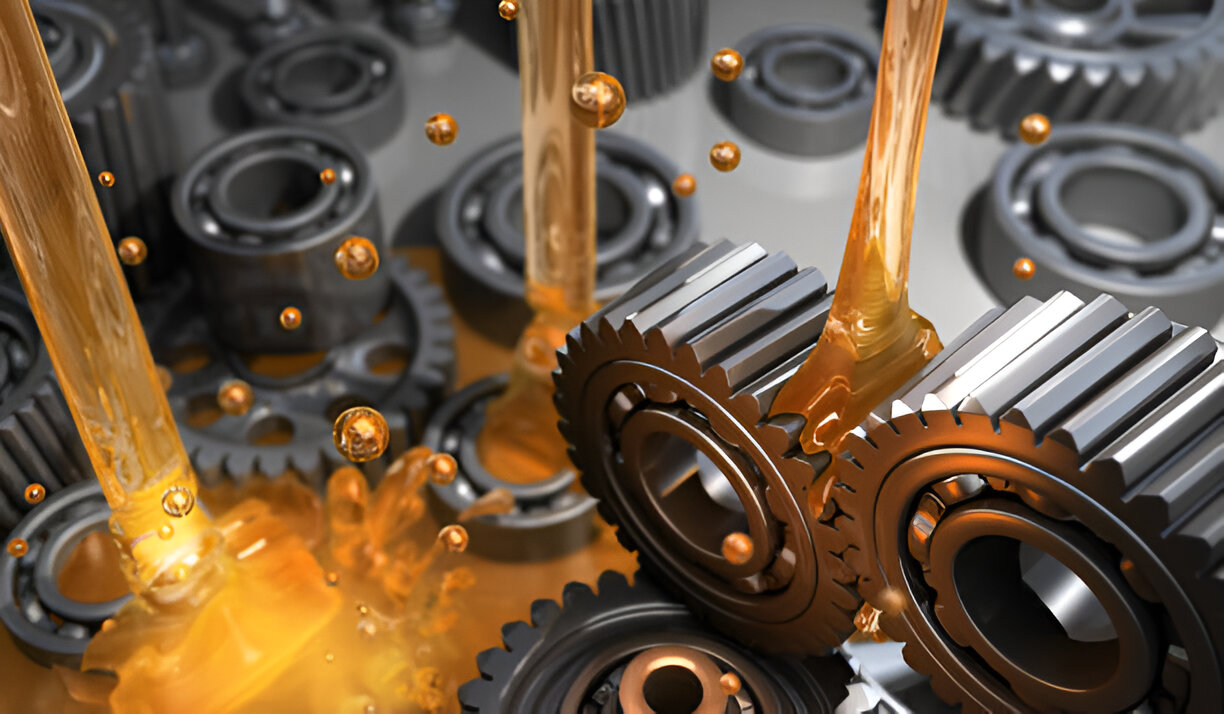
Lubricants are essential to the smooth and efficient operation of machinery and equipment across various industries. These substances, which include oils, greases, and other fluid products, play a critical role in reducing friction, minimizing wear and tear, and ensuring the longevity of mechanical components.
One of the primary functions of lubricants is to reduce friction between moving parts. This reduction in friction not only enhances the efficiency of machinery but also prevents excessive heat generation, which can lead to overheating and potential failure. By providing a thin film between surfaces, lubricants enable smoother motion, leading to improved performance and energy efficiency.
In addition to reducing friction, lubricants are crucial for minimizing wear and tear on mechanical components. In industrial settings, machinery often operates under high loads and extreme conditions. Lubricants form a protective barrier that reduces direct contact between surfaces, preventing metal-to-metal contact and subsequent wear. This protection is vital for extending the lifespan of equipment, reducing maintenance costs, and minimizing downtime.
Lubricants also play a significant role in protecting machinery from corrosion and contamination. Many lubricants contain additives that prevent rust and corrosion, ensuring that equipment remains in optimal condition even in harsh environments. Furthermore, lubricants help trap and carry away contaminants such as dirt, debris, and metal particles, which can otherwise cause damage to sensitive components.
Temperature regulation is another critical function of lubricants in industrial applications. By dissipating heat generated from friction, lubricants help maintain optimal operating temperatures, preventing overheating and ensuring consistent performance. This temperature control is especially important in high-speed and high-load applications where excessive heat can compromise the integrity of the equipment.
Moreover, lubricants contribute to the overall efficiency and productivity of industrial operations. By reducing energy losses due to friction and wear, lubricants enable machinery to operate more efficiently, resulting in lower energy consumption and operational costs. This increased efficiency not only benefits the bottom line but also supports sustainability efforts by reducing the environmental impact of industrial activities.
In summary, lubricants are indispensable in the industry. They ensure the smooth operation, protection, and longevity of machinery, reduce maintenance costs, and enhance overall efficiency. Investing in high-quality lubricants and proper lubrication practices is essential for maintaining the reliability and productivity of industrial equipment, ultimately contributing to the success and sustainability of industrial operations.